Written by Nicole Marie
Nicole Marie is an Accredited Practising Dietitian and founder of the Gut Health Group, a dietitian-led clinic focused on helping people navigate digestive conditions with clarity and confidence. Committed to evidence based care, personalised treatment and practical strategies that reduce symptoms, restore gut function and support long term health.
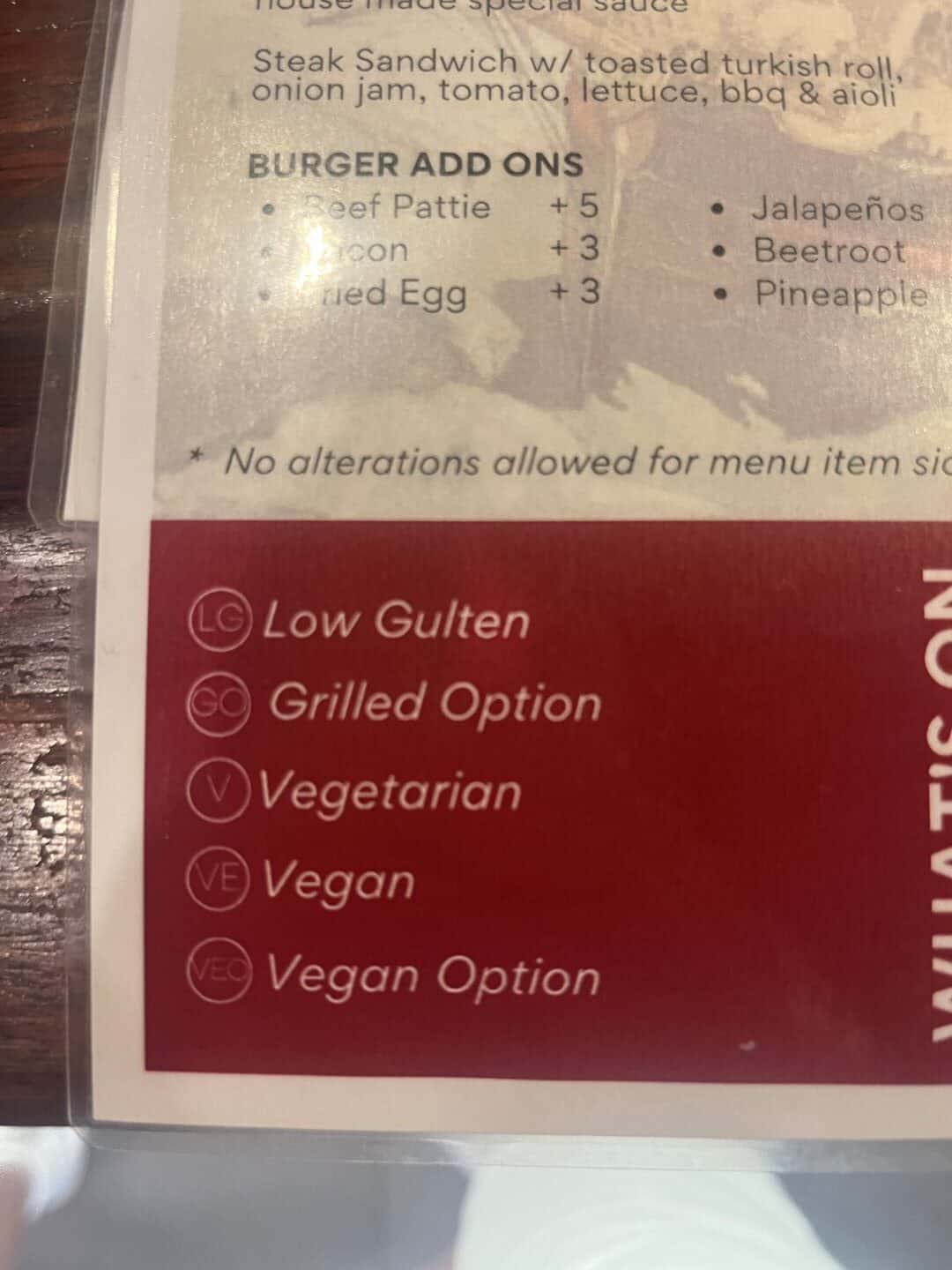
Have you noticed that some of your favourite cafés have quietly changed their menus from “gluten free” to “low gluten”?
Maybe it’s the same café you’ve been visiting for years. The same breakfast, the same lunch you’ve ordered countless times, but suddenly the menu says something different. And naturally, you’re wondering… “Has something changed about the food? What does low gluten mean? Can I no longer order here?”
As an Australian dietitian working with the gluten free community, I want to explain what these two terms mean, why you might be seeing this change, and how cafés using “low gluten” on their menus may still be able to cater to your gluten free needs.
Table of Contents
What’s the difference between gluten free and low gluten?
In Australia, the terms “gluten free” and “low gluten” have specific meanings under the Food Standards Australia New Zealand (FSANZ) code.
Here’s the important distinction:
Gluten free
The food must contain no detectable gluten, no oats or oat products, and no malted gluten-containing cereals or products made from them.
Gluten free is often claimed at venues that can confidently support this claim, such as dedicated gluten free kitchens or venues with separate preparation areas.
Low gluten
The food contains no more than 200 parts per million (ppm) of gluten, equivalent to 20mg per 100g of food.
Low gluten is often claimed at venues with shared kitchens that also prepare gluten-containing foods, where cross-contamination risks depend on food preparation procedures.
Although the difference may seem small, the distinction matters depending on why you’re following a gluten free diet and how strictly you need to avoid gluten.
So why are some cafés changing their menus?
First, it’s important to know that there hasn’t been a recent blanket Australian rule requiring cafés to replace “gluten free” with “low gluten”.
However, cafés are required to comply with the Australia New Zealand Food Standards Code, which sets specific requirements for both claims. This means cafés need to ensure their menu descriptions accurately reflect the food they serve, including how it’s prepared.
So, a café might change its menu wording for two possible reasons:
1. Something has changed about how the food is prepared.
Changes to ingredients, suppliers, equipment or kitchen procedures can introduce new risks of gluten cross-contamination. As a result, meals previously advertised as gluten free may no longer meet the requirements for that claim.
2. The food is being prepared exactly as before, but the café has reconsidered its original gluten free claim.
The café could still be using exactly the same ingredients and preparation methods as before. However, after reviewing FSANZ’s definitions, it might realise it can’t confidently support the ‘no detectable gluten’ claim and decide that “low gluten” is a more accurate description, provided the meals meet the requirements for that claim.
What should I do if I see a “low gluten” label on a menu?
While the term ‘low gluten’ has a specific meaning under Australian food standards, the reality is a lot more nuanced. Seeing this label is an indication that further investigation is needed to really understand how the café manages gluten free food preparation.
Particularly if the kitchen prepares the gluten free meals in a shared kitchen with gluten containing foods, there could be concerns of cross contamination.
For example, gluten free bread might be stored alongside regular sourdough, and the same sandwich press might be used for different meals. Without appropriate procedures, gluten can unintentionally transfer between foods, surfaces and equipment. This is known as cross-contamination.
The good news is that with the right procedures in place, shared kitchens can still prepare gluten free meals alongside gluten-containing food while managing the risk of cross-contamination.
That’s why I encourage people to ask a few practical questions about how their food is prepared, rather than treating the label as the final answer. This can help you investigate whether it does in fact have a low amount of gluten in it or with extra care, the staff can accommodate your gluten free needs.
What should you ask before ordering?
Asking questions about your gluten free meal can be as simple as having a quick chat with the staff before ordering. If you need to strictly avoid gluten, here are four questions that can help you feel more informed and confident about your choices.
1. “Is this made entirely from gluten free ingredients, including condiments?”
This helps clarify whether gluten is intentionally included in the recipe.
2. “Is it prepared using shared equipment?”
Think toasters, sandwich presses, utensils, chopping boards and deep fryers.
3. “What makes this dish low gluten rather than gluten free?”
This is often the most useful question because it encourages the café to explain its actual preparation practices.
4. “Can this dish be prepared gluten free?”
This gives the café an opportunity to explain whether it can make adjustments to the ingredients or preparation methods to accommodate your needs.
A café that can clearly explain its ingredients and procedures gives you more useful information about what to order than a menu label alone. And if the staff aren’t sure, it’s perfectly reasonable to ask them to check.
Can you still enjoy eating out when you're gluten free?
Knowing what to look for and which questions to ask can help you make informed choices and enjoy eating out with greater confidence.
My advice as a gluten free dietitian
One thing I want people to understand is that feeling confident when ordering gluten free comes from having the right information. Every gluten free dining situation is different, and the more you understand the potential risks, the better equipped you are to assess each one.
This means knowing more than just which foods contain gluten. It’s also about understanding food labels, recognising when preparation practices matter and knowing how to navigate situations where the information isn’t clear before making a decision about where to eat. And these are skills that can make everyday life considerably easier.
If you regularly find yourself second-guessing café menus, avoiding social occasions because you’re unsure what to order, or feeling confused by conflicting gluten free advice, you don’t have to work it all out on your own.